
Building a family business in the UAE that outlasts you
Most founders I meet in Dubai either don’t think about legacy at all, or think about it as money: what the business will be worth and who gets it.
I used to think the same way. I don’t any more.
I built The Warrior Academy from a village hall in Rode, Somerset, into the largest martial arts academy in the Middle East. Four academies in the UAE, 85 people, programmes in 9 countries. It took everything I had for a long time.
But the more it grew, the more I realised the business isn’t the thing I most want to pass on. The thing I want to pass on is how it was built.
What a founder really passes on
Money is the easiest thing to hand over and the easiest thing to lose.
What lasts longer is harder to see:
- Values. What you stand for when nobody is watching.
- Standards. What “good” looks like, and what you won’t accept.
- How decisions get made. Who decides, on what basis, and what happens when you disagree.
If those three things live only in your head, they leave when you do. Your team won’t know them. Your children won’t know them. They’ll inherit the assets and none of the thinking that built them.
Why I think in decades, not years
I grew up on stories about my family’s part in Holger Danske, the Danish resistance group in the Second World War. Those stories were never about money. They were about courage, about doing the right thing when it was dangerous, and about the kind of people we were supposed to be.
That has shaped how I think about my own family. I now plan in decades. I call it the 200-year family game: what I want a member of my family to be like long after I’m gone, and what I need to build now so that’s more likely.
You don’t need to think 200 years ahead. But try ten. Ask yourself: if my children took over this business, or sold it, or never touched it at all, what would I want them to carry with them?
Step 1: Write your values down so they survive you
In 2023 we had a culture crisis at The Warrior Academy. I had brought in the wrong people and it did real damage. One of the things that came out of it was a set of rules I wrote down: how we work, what we expect, what we won’t tolerate.
Since then the team has grown from 15 people to 85, and from 2 countries to 9, built on those rules.
That taught me something I now apply to my family too. Values that aren’t written down drift. Each new person interprets them slightly differently, and after a few years they mean something else.
Start simple:
- Write five to ten things your business and your family stand for.
- Next to each one, write what it looks like in practice. Not “integrity”, but what integrity means on a hard day.
- Read them out loud to the people who matter. If they can’t recognise them in how you actually behave, rewrite them.
Step 2: Make the way you decide visible
Most founders make decisions alone, quickly, and without explaining why. That works when you’re small. It doesn’t work if you want the business to outlast you.
Start showing your thinking. When you make a big call, explain the reasons to your team. Write it down. Over time people learn not just what you decided, but how you decide, which is the part they can actually use when you’re not in the room.
The same goes at home. Children learn far more from watching how you make choices than from what you tell them to do.
Step 3: Involve your children without handing them entitlement
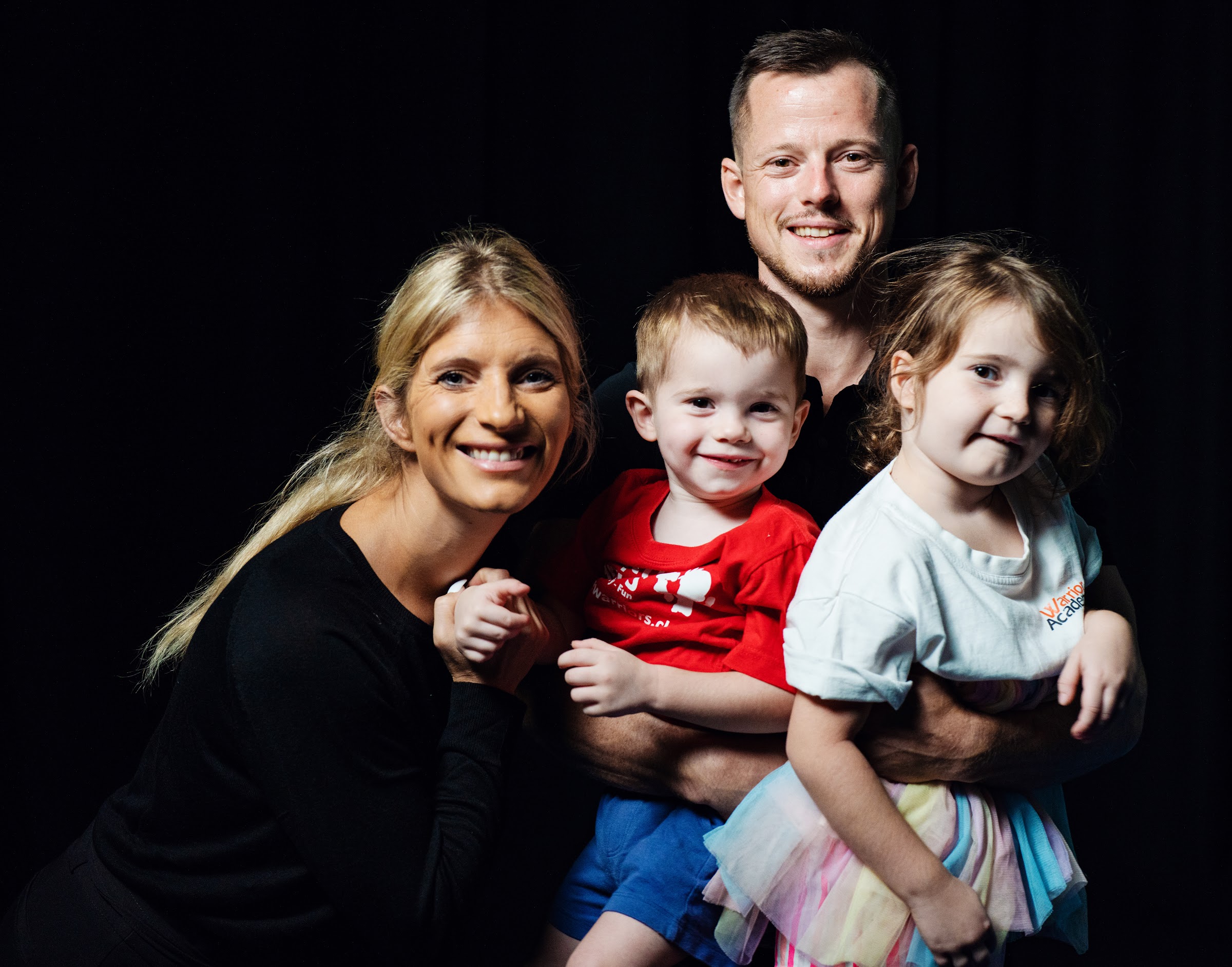
This is the part I think about most as a father of three.
The UAE gives children amazing opportunities. It can also give them the idea that everything arrives without effort. I don’t want my kids to inherit a business. I want them to inherit the character to build one, or to do something else entirely with the same standards.
A few principles I hold to:
- Nothing is owed. Any role in the family business should be earned the same way anyone else earns it.
- Let them see the hard parts. Not just the wins, but the tight months, the mistakes and the decisions that cost you sleep.
- Let them struggle. Rescuing them from every difficulty teaches them to wait to be rescued.
- Tie support to effort. Help is easier to give well when it rewards the work, not the surname.
Step 4: Treat character as the real inheritance
I was bullied as a kid. The Warrior Academy was built around that: helping children build the character and courage to stand up. Through The Bates Foundation, our charity, we now teach thousands of vulnerable children on scholarships every week, in Kenya, Nepal, Pakistan, Uganda, Nigeria and more.
Not one of those children will inherit a business. What they get is a set of habits: turning up, respecting others, keeping going when it’s hard. Those habits travel with them for life.
I think that is true of every family. Character is the one inheritance that can’t be spent, taxed away or lost in a bad market.
Step 5: Build a business that doesn’t need you
A business that falls apart without the founder isn’t a legacy. It’s a liability you leave to someone else.
In October I began a four-month step back from the day-to-day running of The Warrior Academy. Each senior leader owns clear numbers, and a fixed date to report back. I did it partly because I wanted the time, and partly to test whether what I’ve built can stand on its own.
If you want something that outlasts you, start testing that now, while you’re still around to fix what breaks.
Practical first steps this month
- Write down your values and what each looks like in practice.
- Explain one big decision to your team in writing.
- Give one thing only you do an owner.
I tell the personal side of this, and why I think the UAE’s real problem isn’t opportunity but entitlement, in this week’s issue of The Long Game, my LinkedIn newsletter.
Frequently asked questions
How do I start planning a family business legacy in the UAE?
Start with what you want to pass on, not who gets what. Write down your values and standards, make your decisions visible, and build a business that can run without you. The legal and financial structure is easier to get right once you know what it’s protecting.
Should my children work in the family business?
Only if they want to and only if they earn it the same way anyone else would. A role that is handed over tends to be valued less, by them and by the team.
How do I stop my children feeling entitled?
Let them see the effort behind what they have, let them struggle with things that are theirs to solve, and tie your support to their effort rather than to the family name.
What is the most important thing a founder can pass on?
Character. Values, standards and how you make decisions will outlast any asset, and they help the next generation whether they keep the business or not.
Want a second pair of eyes?
I now invest my time, and sometimes my money, in founder-led service businesses in the UAE that want to grow the way we did. It starts with a deep dive into your business. If it’s a fit, I back you for an agreed stake, earned only when we hit the goals we set together.
0 comments